.svg)


Project Timeline Explained: Simple Steps to Create Effective Plans
A Project Timeline is a visual schedule that outlines tasks, deadlines, and milestones, helping teams plan, track progress, and deliver projects on time. It provides clear visibility from start to finish, helping teams simplify complex tasks, assign responsibilities, and stay aligned throughout the project lifecycle.

David Walter
Managing a project can become challenging when tasks pile up, deadlines shift, and teams struggle to stay aligned. Without a clear structure, even well-planned efforts can lose direction. This is where a well-crafted Project Timeline helps simplify complexity, giving you a clear view of what needs to be done and when.
More than just a planning tool, it keeps teams coordinated, improves decision-making, and ensures steady progress throughout the project. It allows you to manage priorities, adapt to changes, and stay aligned with goals. In this blog, you will learn about What is Project Timeline, its types, how to create one, its benefits, and more. Let’s begin!
What is a Project Timeline?
A Project Timeline is a visual representation that outlines the sequence of tasks, milestones, and key activities within a project. It acts as a roadmap, guiding teams from start to finish by showing how tasks are connected and when they need to be completed. It ensures that activities are carried out in a structured manner while clearly highlighting dependencies between tasks.
In Project Management, a Project Timeline helps set expectations, track progress, and maintain accountability. It includes key details, such as dates, durations, milestones, and dependencies, keeping teams organised, improving communication, supporting risk identification, and ensuring timely delivery.

Components of Project Timeline Planning
Different Types of Project Timelines
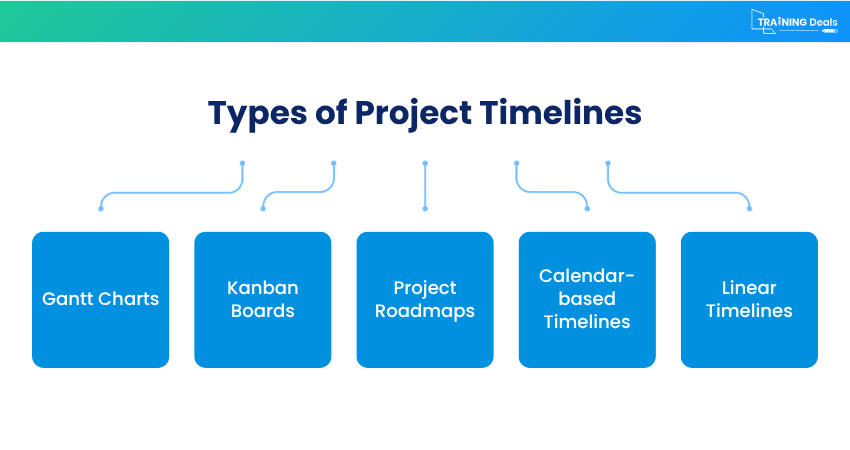
1) Gantt Charts
2) Kanban Boards
3) Project Roadmaps
4) Calendar-based Timelines
5) Linear Timelines
How to Create a Project Timeline?
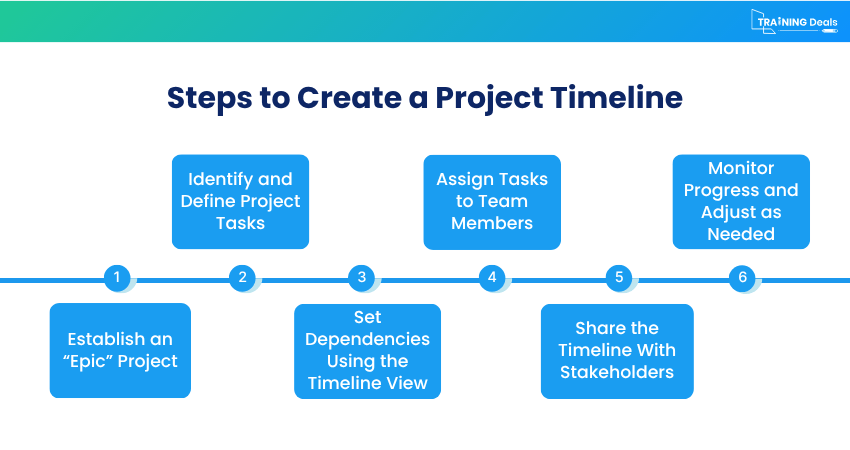
Step 1: Establish an “Epic” Project
Step 2: Identify and Define Project Tasks
Step 3: Set Dependencies Using the Timeline View
Step 4: Assign Tasks to Team Members
Step 5: Share the Timeline With Stakeholders
Step 6: Monitor Progress and Adjust as Needed
Benefits of a Project Timeline
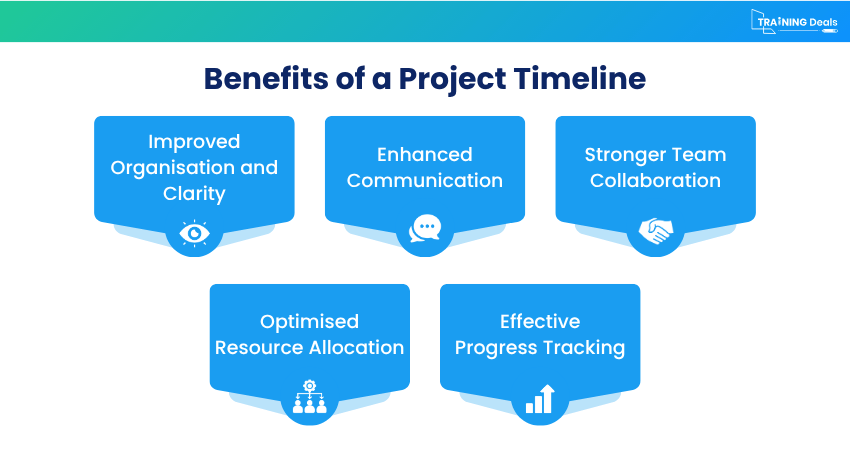
1) Improved Organisation and Clarity
2) Enhanced Communication
3) Stronger Team Collaboration
4) Optimised Resource Allocation
5) Effective Progress Tracking
Project Timeline Examples
1) Software Development Project Timeline
2) Marketing Campaign Timeline
Best Practices for Managing Project Timelines
Difference Between a Project Schedule and Timeline
Conclusion
Search
- PRINCE2 vs APM: A Complete Guide to their Differences
- 10+ Project Management Tools to Boost Productivity in 2026
- What is Scrum? Agile Framework Explained
- What is Project Management? Phases, Approaches, and Benefits
- What is Agile Project Management? A Comprehensive Guide
- What are Project Management Skills: Top 25+ Skills You Must Know
- AI in Project Management: Benefits, Challenges, and Best Practices
- What is the Critical Path Method in Project Management? Explained
- What is Project Management Triangle? Key 3 Constraints Explained
- What are the Principles of Management? A Complete Overview
- ITIL Framework: Definition, Benefits and Implementation Explained
- What is Workflow Management? A Comprehensive Guide
- What is a Project Management Plan? Key Components and Benefits
- Why is Project Management Important? Top 12 Reasons & Tips
- Top 15 Project Management Methodologies You Should Know in 2026
- 15 Project Management Techniques Every Manager Should Use
- How to Become a Project Manager: Skills, Steps, and Career Path
- Project Charter Explained: Components & How to Write It Effectively
- Program Manager vs Project Manager: A Complete Comparison Guide
- The 5 Project Management Phases Every Professional Should Know
- What is Risk Mitigation: Types, Steps, and Best Practices
No match found
Latest Blog
What is Risk Mitigation: Types, Steps, and Best Practices
June 27, 2026
The 5 Project Management Phases Every Professional Should Know
June 23, 2026
Program Manager vs Project Manager: A Complete Comparison Guide
June 23, 2026
Project Charter Explained: Components & How to Write It Effectively
June 23, 2026
FAQ
Generally, Project Timelines should be updated weekly to reflect progress, manage expectations, and address delays. Fast-paced projects may need daily updates, while slower ones can be reviewed fortnightly or monthly.
The critical path in a Project Timeline is the longest sequence of dependent tasks that determines the shortest time needed to complete a project. These tasks have no slack, meaning any delay directly impacts the overall deadline, making them essential for timely project delivery.
Common Project Timeline mistakes include setting unrealistic deadlines, ignoring task dependencies, and not allowing buffer time. These issues lead to delays, budget overruns, and team burnout.
.svg)