.svg)


What is Project Management Triangle? Key 3 Constraints Explained
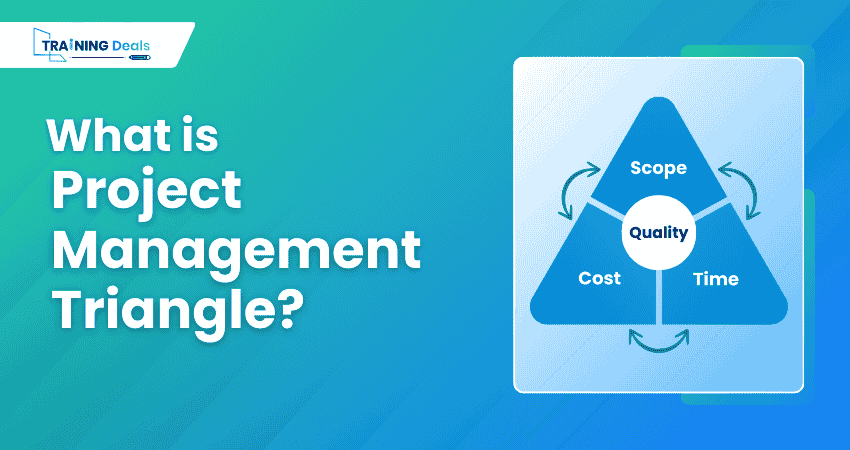
The Project Management Triangle explains the balance between scope, time, and cost in project planning, showing how changes in one element affect the others.
Hailey Davis
Delivering a project on time and within budget is rarely about effort alone. Even skilled teams can struggle when priorities shift and resources change unexpectedly. What often separates successful projects from troubled ones is not luck, but a clear understanding of how key constraints interact. This is exactly where the Project Management Triangle proves its value.
It explains the relationship between scope, time, and cost, showing how a change in one area directly affects the others. Rather than relying on guesswork, it provides a structured way to evaluate decisions and maintain balance. In this blog, you will learn what the Project Management Triangle is, its three constraints and practical ways to apply it for successful project outcomes.
What is the Project Management Triangle?
The Project Management Triangle is a conceptual model that illustrates the relationship between three key constraints: scope, time, and cost. These elements form the three sides of a triangle and are closely interdependent. Because of this relationship, it is also known as the Triple Constraint or the Iron Triangle.
For example, if a client requests additional features, the scope increases, which may require more time or a higher budget. In simple terms, the Project Management Triangle helps Project Managers understand project constraints, make informed decisions, and manage expectations by balancing these three elements effectively.
Why Should You Use the Project Management Triangle?
You should use the Project Management Triangle because it helps you understand the limits of a project. Every project has its restrictions in terms of time, budget, and scope. By using this triangle, you can clearly see how these three elements are connected and how changes in one area will affect the others.
It also helps set realistic expectations from the beginning. When stakeholders request faster delivery or additional features, the triangle makes it easier to explain the impact on cost or timeline. This reduces misunderstandings and prevents unrealistic demands.
The Three Constraints of the Project Management Triangle
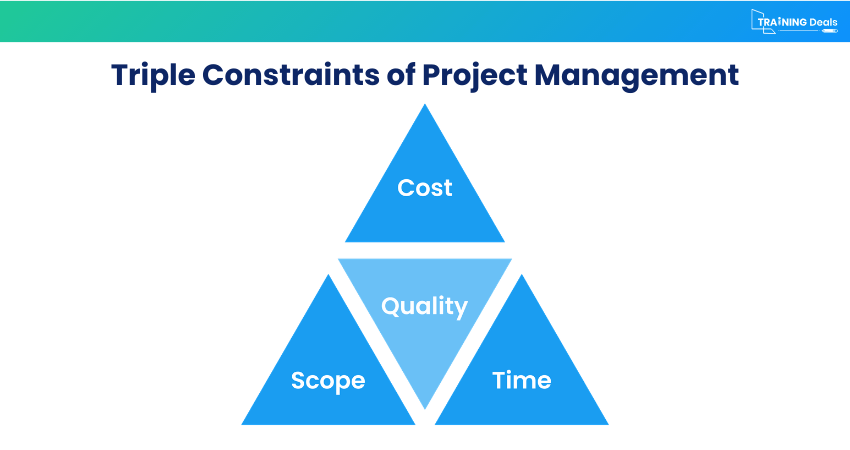
The Project Management Triangle is built on three constraints that are interconnected. Let's have a closer look at the triple constraint triangle in Project Management:
1) Cost Constraint
The cost constraint refers to the total budget required to complete the project. This includes salaries, materials, tools, software, and any outside services. It also covers extra costs such as office space, utilities, and emergency funds.
2) Time Constraint
The time constraint represents the project schedule or deadline. It helps determine how long the project will take. Most projects have deadlines and meeting them is usually very important. Delays can affect customer satisfaction, company reputation, or financial results.
3) Scope Constraint
The scope constraint defines what the project will deliver. It includes all features, tasks, functions, and expected results. A clearly defined scope ensures that everyone understands what is included in the project and what is not.
Learn how to apply Agile flexibility to projects with the PRINCE2 Agile® Foundation Training – Register today!
How to Manage the Project Management Triangle?
Managing the Project Management Triangle means maintaining the right balance between scope, time, and cost throughout the project. Let's check how you can do it:
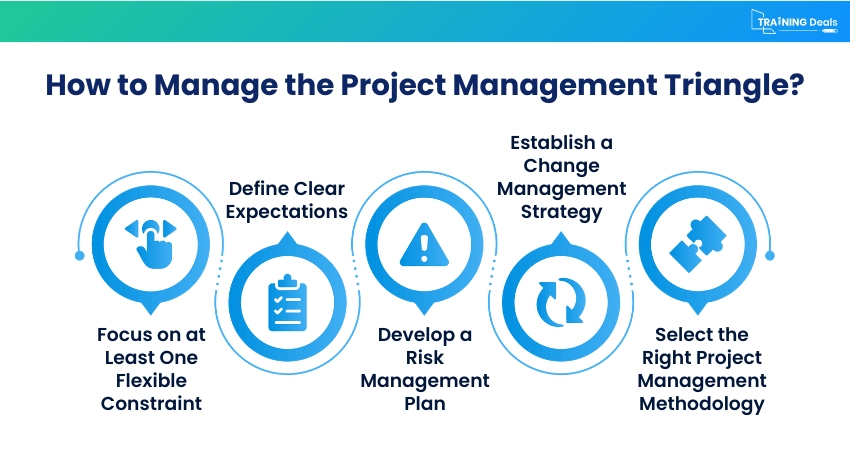
1) Focus on at Least One Flexible Constraint
Every project needs to have at least one constraint that can be adjusted when needed. For example, if the deadline is fixed, the budget or scope should have some flexibility. If the budget cannot change, you may need to adjust the timeline or reduce deliverables.
2) Define Clear Expectations
Clear expectations are essential for maintaining balance. Stakeholders should understand the project goals, limitations, and priorities from the beginning. When expectations are properly discussed and agreed upon, problems are less likely to occur.
3) Develop a Risk Management Plan
Risks can affect time, cost, and scope at any stage of a project. Common risks include supplier delays, inaccurate estimates, technical issues, or resource shortages. A simple risk plan identifies possible problems and suggests solutions in advance.
4) Establish a Change Management Strategy
Changes are normal in projects. However, uncontrolled changes can quickly affect timelines and budgets. To handle it properly, a structured change management process can be used so that all the requested changes are reviewed carefully.
5) Select the Right Project Management Methodology
Different Project Management methodologies handle constraints in different ways. Methods like PRINCE2 focus on detailed planning and strict control, while Agile allows more flexibility. Choosing the right method helps manage the triangle as required and suitable.
Adapting the Triangle to Fit Your Management Style
The Project Management Triangle is not a rigid rule. It can be adjusted based on your management style and what matters most in your organisation. Here is how you can do it:
1) Resource-saving Project Methods
If your main goal is to keep costs low, you may focus on resource-saving strategies. This includes reducing waste, improving efficiency, and using tools or automation to complete tasks faster. Lean and Waterfall methods can work well for this purpose.
2) Time-saving Project Methods
When meeting a deadline is the top priority, time-saving methods become important. This may involve breaking the project into smaller tasks, running activities in parallel, or using Agile practices to deliver results quickly. Methods like Agile and Scrum are well-suited for this.
Manage complex projects with flexibility and control with PRINCE2 Agile® Practitioner Training – Join now!
Benefits of Using the Project Management Triangle
The Project Management Triangle provides several benefits that help with better planning and smoother project delivery. Below are those benefits:
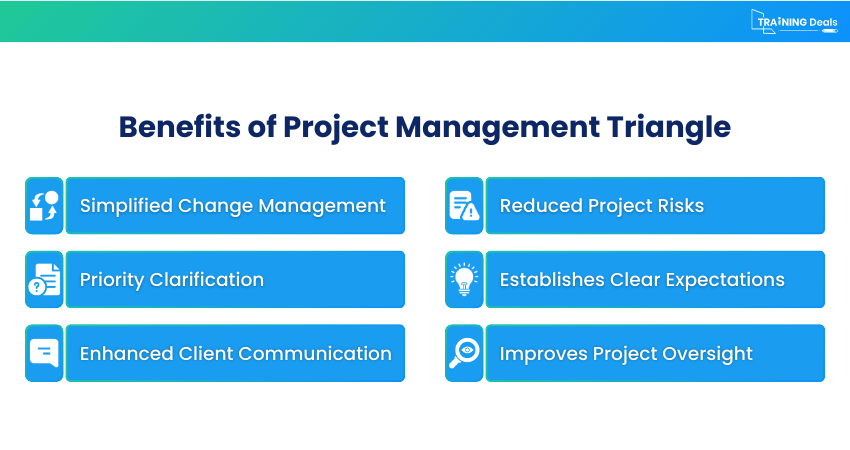
1) Simplified Change Management
The Project Management Triangle makes it easier to handle changes in a structured way. When a new request is made, Project Managers can quickly evaluate its impact on the constraints and check the consequences logically. This reduces confusion and keeps the project stable.
2) Priority Clarification
The triangle clearly highlights what matters most in a project. By identifying which constraint is fixed and which is flexible, teams understand where adjustments can be made. This clarity improves focus and ensures that decisions align with project goals.
3) Enhanced Client Communication
In most of the projects, clients may request additional features or faster delivery without realising the impact. The triangle provides a simple way to explain how such changes affect the project. This clear communication further builds trust and strengthens professional relationships.
4) Reduced Project Risks
Regularly monitoring time, cost, and scope helps identify potential issues early. Budget overruns, missed deadlines, or scope creep can be detected before they become serious problems.
5) Establishes Clear Expectations
The triangle sets realistic boundaries from the beginning. Stakeholders understand the project’s limits and the consequences of changes. This prevents unrealistic demands and improves overall satisfaction.
6) Improves Project Oversight
The triangle helps managers keep a clear view of the entire project. By regularly checking scope, time, and cost, they can see whether the project is moving in the right direction. It makes it easier to spot issues early and take corrective action.
Strengthen your project governance skills with PRINCE2® Foundation & Practitioner Course – Sign up soon!
Best Practices for Project Management Triangle
To effectively use the Project Management Triangle for your project, you need to follow some practices that help you maintain balance and improve project outcomes. Those best practices are:
1) Define and Prioritise Goals
Clearly define the project objectives and rank them by importance. Determine which constraint takes priority, whether time, cost, or scope, so decisions can be made quickly when trade-offs arise. Clear priorities help teams stay focused and respond effectively to challenges.
2) Continuous Monitoring and Adjustments
Since projects tend to change or need adjustments, regularly reviewing timelines, budgets, and deliverables helps ensure everything stays aligned with the original objectives. If any imbalance is detected, adjustments can be made quickly.
3) Ongoing Process Improvement
After completing key phases, milestones or delivering the project, you need to review what worked well and what did not. It helps you understand the mistakes and helps improve your future performance.
4) Team Collaboration and Accountability
A successful project depends on teamwork. Every team member should understand how their work affects deadlines, budgets, and overall scope. Assigning clear roles and responsibilities makes everyone feel accountable and contribute their best.
5) Strong Stakeholder Engagement
Engaging stakeholders throughout the project helps maintain project alignment and trust. Regular updates, meetings, and feedback sessions keep everyone informed. This strengthens their cooperation and improves overall project success.
Conclusion
The Project Management Triangle is a simple but powerful tool. It shows that every project must balance time, cost, and scope. When managed effectively, the triangle helps improve communication, reduce risks, and keep projects aligned with their goals. The key is not to maximise everything, but to find the right balance that delivers value and meets expectations.
Develop practical understanding of Project Management principles with PRINCE2® Training – Begin your journey now!
Search
- PRINCE2 vs APM: A Complete Guide to their Differences
- 10+ Project Management Tools to Boost Productivity in 2026
- What is Scrum? Agile Framework Explained
- What is Project Management? Phases, Approaches, and Benefits
- What is Agile Project Management? A Comprehensive Guide
- What are Project Management Skills: Top 25+ Skills You Must Know
- AI in Project Management: Benefits, Challenges, and Best Practices
- What is the Critical Path Method in Project Management? Explained
- What are the Principles of Management? A Complete Overview
- ITIL Framework: Definition, Benefits and Implementation Explained
- What is Workflow Management? A Comprehensive Guide
- What is a Project Management Plan? Key Components and Benefits
- Why is Project Management Important? Top 12 Reasons & Tips
- Top 15 Project Management Methodologies You Should Know in 2026
- 15 Project Management Techniques Every Manager Should Use
- Project Timeline Explained: Simple Steps to Create Effective Plans
- How to Become a Project Manager: Skills, Steps, and Career Path
- Project Charter Explained: Components & How to Write It Effectively
- Program Manager vs Project Manager: A Complete Comparison Guide
- The 5 Project Management Phases Every Professional Should Know
- What is Risk Mitigation: Types, Steps, and Best Practices
No match found
Latest Blog
What is Risk Mitigation: Types, Steps, and Best Practices
June 27, 2026
The 5 Project Management Phases Every Professional Should Know
June 23, 2026
Program Manager vs Project Manager: A Complete Comparison Guide
June 23, 2026
Project Charter Explained: Components & How to Write It Effectively
June 23, 2026
FAQ
No FAQs available for this blog.
.svg)